How to Use a Frying Pan Like a Pro
- Hano Vid
- Aug 16, 2023
- 5 min read

Frying pans are one of the most versatile and essential tools in any kitchen. Whether you want to make a simple omelet, a crispy chicken, or a delicious stir-fry, a frying pan can help you achieve great results. However, using a frying pan also requires some skills and knowledge to avoid common pitfalls and mistakes. In this post, we will share with you some tips on how to use a frying pan like a pro and make the most out of this amazing cookware.
Choose the Right Frying Pan for Your Needs
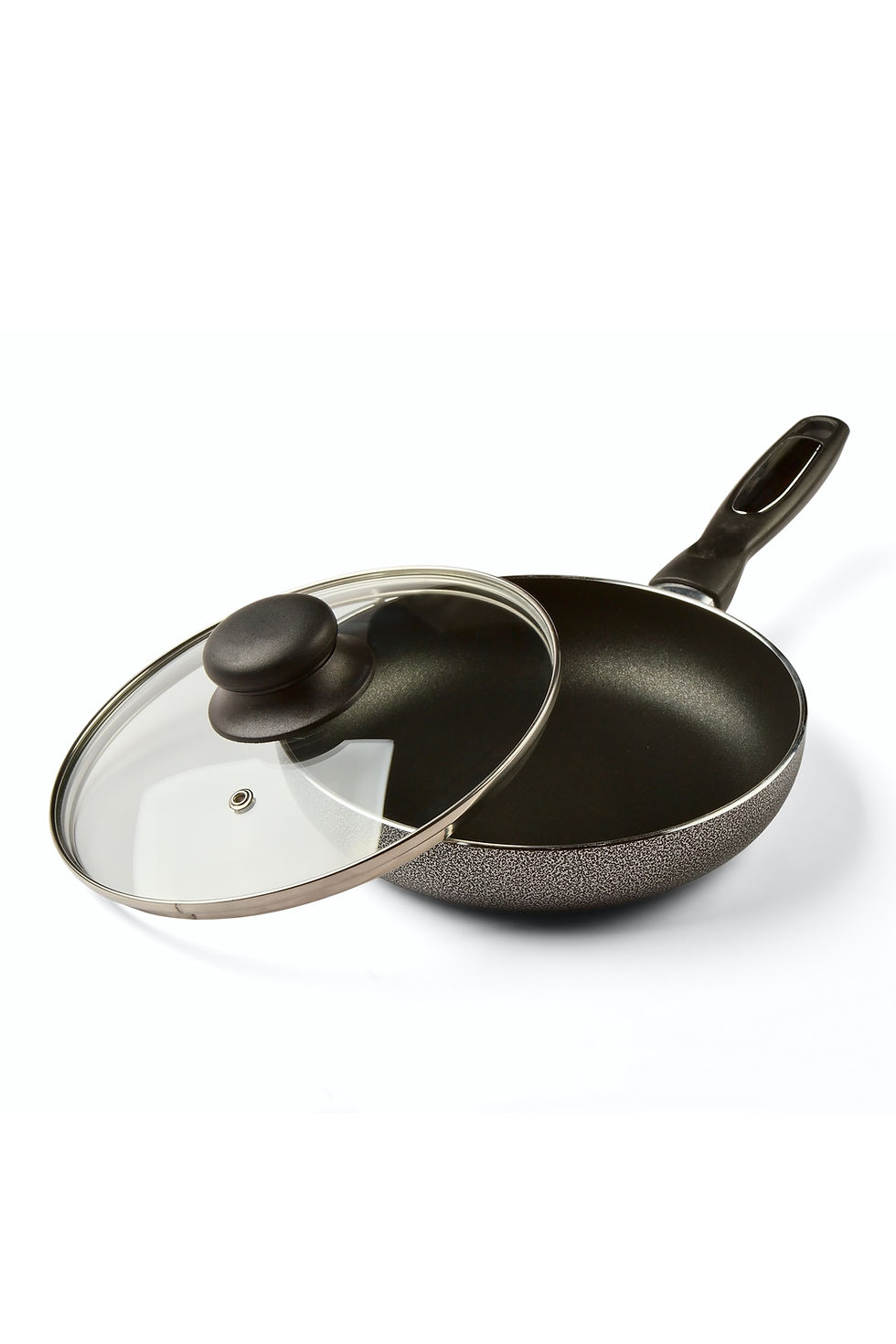
The first step in using a frying pan is to choose the right one for your needs. There are different types of frying pans available on the market, such as nonstick, ceramic, stainless steel, cast iron, and carbon steel. Each type has its own advantages and disadvantages, depending on the material, size, shape, and coating. Here are some factors to consider when choosing a frying pan:
Material: The material of the frying pan affects its durability, heat conductivity, weight, and maintenance. For example, nonstick and ceramic frying pans are easy to use and clean, but they can scratch or peel over time. Stainless steel and cast iron frying pans are durable and can withstand high heat, but they can be heavy and difficult to clean. Carbon steel frying pans are lightweight and can create a good sear, but they can rust if not seasoned properly.
Size: The size of the frying pan determines how much food you can cook at once. If the frying pan is too small, you will have to cook in batches or overcrowd the pan, which will affect the cooking quality and time. If the frying pan is too large, you will waste energy and oil. A good rule of thumb is to choose a frying pan that is about 10 to 12 inches in diameter for most cooking tasks.
Shape: The shape of the frying pan affects its surface area and ease of use. Frying pans have low outward flaring sides that allow for easy stirring and flipping of food. However, some frying pans have more sloping sides than others, which reduces the surface area and makes them less suitable for searing or browning food.
Coating: The coating of the frying pan affects its nonstick performance and safety. Some frying pans have a nonstick coating that prevents food from sticking to the surface, making them ideal for cooking eggs, pancakes, or fish. However, some nonstick coatings can contain harmful chemicals that can leach into food or release toxic fumes if overheated. Ceramic frying pans have a natural nonstick coating that is free of chemicals but less durable than synthetic ones.
Prepare Your Frying Pan Before Use
The second step in using a frying pan is to prepare it before use. This involves heating the pan over medium-high heat until it is hot, which will help to ensure that the food cooks evenly and quickly. Once the pan is hot, you can add the oil or fat that you want to use for cooking. Use a high-quality oil or fat that has a high smoke point, such as olive oil, canola oil, or grape seed oil. Avoid using butter or margarine as they can burn easily.
To test if the oil or fat is hot enough, you can sprinkle some water droplets on the surface of the pan. If they sizzle and evaporate quickly, the pan is ready. If they splatter or pop violently, the pan is too hot and you need to lower the heat.
Cook Your Food in the Frying Pan
The third step in using a frying pan is to cook your food in it. Depending on what you are cooking, you may need to adjust the heat level, the amount of oil or fat, and the cooking time. Here are some general tips for cooking different types of food in a frying pan:
Eggs: Eggs are best cooked in a nonstick or ceramic frying pan over low to medium heat with a small amount of oil or butter. To make scrambled eggs, whisk the eggs with some salt, pepper, and milk or cream in a bowl. Pour the mixture into the pan and stir gently with a spatula until cooked. To make fried eggs, crack an egg into a small bowl and slide it into the pan. Cook until the white is set and the yolk is runny or firm, depending on your preference. You can also flip the egg halfway through for an over-easy or over-hard egg.
Pancakes: Pancakes are best cooked in a nonstick or ceramic frying pan over medium heat with a thin layer of oil or butter. To make pancakes, mix some flour, baking powder, salt, sugar, eggs, milk, and melted butter in a large bowl until smooth. Scoop about 1/4 cup of batter onto the pan and cook until bubbles form on the surface, about 2 to 3 minutes. Flip the pancake and cook for another minute or until golden. Repeat with the remaining batter, adding more oil or butter as needed.
Chicken: Chicken is best cooked in stainless steel, cast iron, or carbon steel frying pan over medium-high to high heat with a generous amount of oil or fat. To make chicken, season the chicken pieces with salt, pepper, and any other spices or herbs you like. Heat the oil or fat in the pan until shimmering and add the chicken pieces in a single layer, skin-side down if applicable. Cook until golden and crisp, about 10 to 15 minutes per side, depending on the size and thickness of the pieces. You can also finish cooking the chicken in the oven if it is not cooked through on the stovetop.
Stir-fry: Stir-fry is best cooked in a wok or a large frying pan over high heat with a small amount of oil. To make stir-fry, cut your meat and vegetables into bite-sized pieces and season them with salt, pepper, and any other sauces or seasonings you like. Heat the oil in the pan until smoking and add the meat in batches, stirring and tossing constantly until browned and cooked through, about 3 to 5 minutes per batch. Transfer the meat to a plate and keep it warm. Add more oil if needed and repeat with the vegetables, cooking until crisp-tender, about 2 to 4 minutes per batch. Return the meat to the pan and toss everything together until well combined and heated through.

Clean Your Frying Pan After Use
The final step in using a frying pan is to clean it after use. This will help to prolong its lifespan and prevent food residue from building up. The best way to clean your frying pan depends on its type and condition. Here are some general tips for cleaning different types of frying pans:
Nonstick and ceramic frying pans: These pans are easy to clean as long as you don’t use abrasive cleaners or utensils that can scratch or damage their coating. Simply wash them with warm water and mild soap using a soft sponge or cloth. Rinse them well and dry them thoroughly with a soft towel. You can also wipe them with a paper towel while they are still warm to remove any excess oil or grease. Avoid putting them in the dishwasher as this can degrade their coating over time.
Stainless steel, cast iron, and carbon steel frying pans: These pans are more difficult to clean as they can develop stubborn stains, rust, or seasoning that need special care. To clean them, you can use hot water and coarse salt or baking soda to scrub away any food residue or burnt bits using a stiff brush or a wooden spatula. Rinse them well and dry them thoroughly with a soft towel. You can also heat them over low heat until completely dry to prevent rusting. For cast iron and carbon steel frying pans, you may need to re-season them after cleaning by rubbing some oil on their surface and heating them over medium heat until they smoke slightly. Let them cool completely before storing them.
Comments